
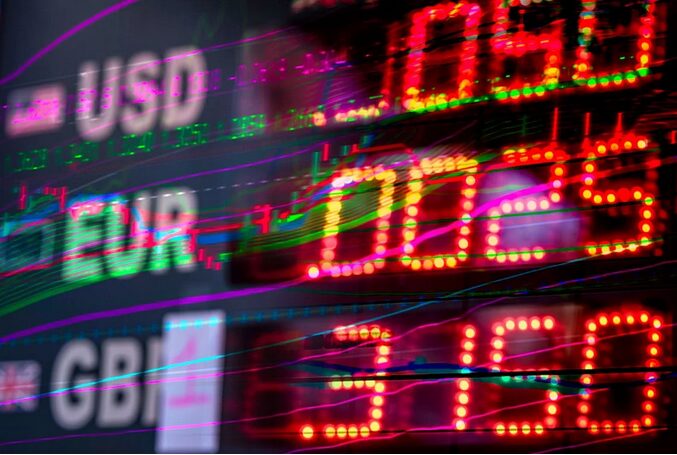
Foreign exchange markets have a reputation for being unpredictable, fast-moving, and occasionally nerve-racking. Exchange rates shift on geopolitical headlines, central bank decisions, inflation data, and even unexpected tweets. For many businesses and traders, volatility feels like a threat lurking in every price swing. But what if those fluctuations weren’t just risks to manage—but opportunities to harness? With the right mindset and tools, currency volatility becomes less of a storm to survive and more of a current you can ride. Welcome to the art of foreign exchange alchemy.
Rethinking Volatility as Opportunity
Volatility is often misunderstood. Sharp price movements can trigger fear, especially when profit margins are tight or international payments are involved. Yet volatility is also what creates opportunity. Without movement, there is no spread to capture, no inefficiency to exploit, and no timing advantage to seize. fx スプレッド 比較 海外 tends to evaluate cost structures across platforms while positioning each spread to benefit from pricing discrepancies. When viewed strategically, every spike and dip represents information about supply, demand, and market sentiment.
Understanding the Power of Timing and Market Awareness
Timing is everything in foreign exchange. Economic calendars, central bank announcements, and macroeconomic trends shape currency momentum. Businesses that monitor interest rate expectations and inflation data can anticipate potential swings before they fully materialize. For example, if a company expects a currency to weaken due to dovish monetary policy, it may accelerate foreign payments to lock in favorable rates. On the other hand, anticipating appreciation can influence when to convert revenues. Strategic timing doesn’t require predicting every tick in the market; it requires understanding the forces that consistently move currencies over time.
Hedging the Strategic Safety Net
Hedging isn’t just a defensive tactic; it’s a way to create certainty in uncertain conditions. Tools like forward contracts, options, and swaps allow businesses to manage exposure while preserving flexibility. A forward contract can secure a known exchange rate for a future transaction, protecting margins against adverse shifts. Currency options provide the right—but not the obligation—to exchange at a set rate, offering upside potential while limiting downside risk. Rather than eliminating volatility, hedging reframes it. Companies can operate confidently knowing they’ve defined acceptable risk boundaries in advance.
Diversifying Segments Across Currencies
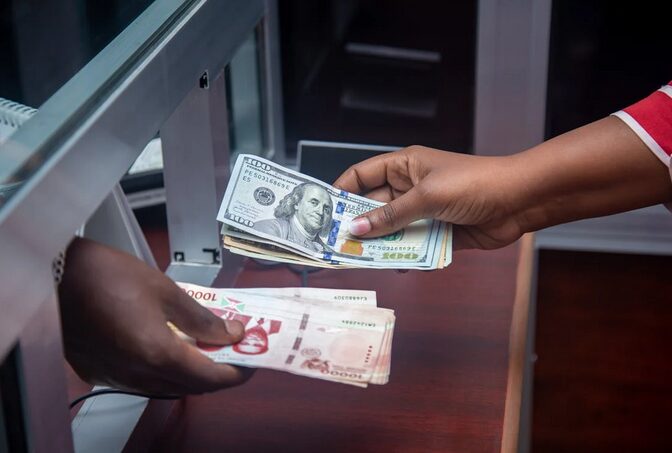
Just as investors diversify portfolios across asset classes, companies can diversify currency exposure. Relying heavily on one foreign currency creates vulnerability. By spreading operations, suppliers, or revenue streams across multiple currencies, organizations reduce the impact of a single adverse move. Geographic diversification also creates natural hedges, where expenses in one currency offset revenues in the same currency. This balanced approach transforms volatility from a concentrated threat into a distributed variable that can be strategically managed.
Leveraging Technology and Data
Modern foreign exchange strategy is powered by data. Advanced analytics platforms track real-time movements, historical correlations, and volatility indicators. Automated alerts help decision-makers respond quickly to threshold events. Algorithmic tools can execute trades at optimal spreads, reducing transaction costs that quietly erode profitability. Access to transparent pricing, performance dashboards, and predictive analytics empowers both traders and businesses to shift from reactive decisions to proactive planning. In today’s digital landscape, information speed often translates directly into financial advantage.
Cultivating a Strategic Mindset
Perhaps the most important transformation happens internally. Viewing currency fluctuations purely as external threats leads to defensive behavior. Viewing them as dynamic market signals encourages preparation and adaptability. Organizations that build internal FX policies, define risk tolerance clearly, and educate stakeholders about exposure are better positioned to make calm, calculated decisions. Strategic currency management becomes part of overall financial planning rather than an afterthought triggered by a crisis.
Foreign exchange volatility isn’t going away. Globalization, interconnected economies, and rapid information flow ensure that currencies will continue to rise and fall in response to shifting forces. The real question is whether those movements will catch you off guard or propel you forward. By reframing volatility as opportunity, leveraging hedging tools, diversifying exposure, and embracing technology, businesses and traders can transform uncertainty into advantage. That’s the essence of foreign exchange alchemy: turning unpredictable market swings into deliberate, strategic gains.